
Widespread Protests Grip Iran as Internet Shutdown Deepens Global Concern
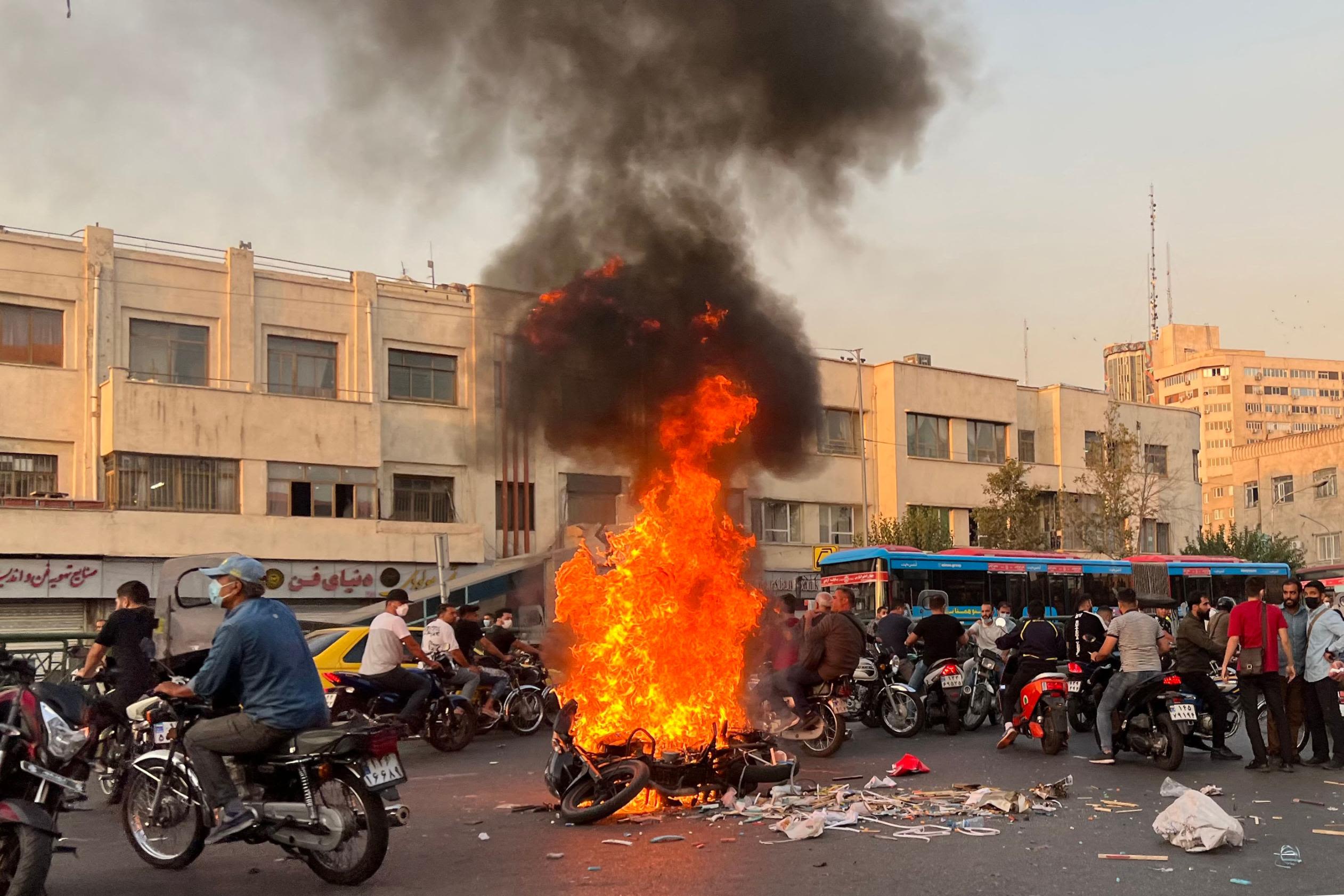
Large-scale uprisings continue across Iran as the government works to suppress growing unrest, while the United States signals it may step in. As reports of deaths increase, many Iranians living abroad are increasingly anxious, unable to reach family members due to a nationwide internet blackout imposed by Iranian authorities.
Hundreds of thousands of people have taken to the streets throughout Iran. What began as protests over worsening economic conditions has expanded into widespread demands for the removal of the Islamic Republic, which has been in power since 1979.
Iranian officials have responded with a forceful crackdown, asserting—without providing evidence—that foreign actors are behind the demonstrations. The government has not released official casualty figures, but the Human Rights Activists News Agency reported Sunday night that at least 524 people have been killed and more than 10,600 arrested since the unrest began two weeks ago.
Despite severe communication restrictions, videos have been smuggled out of the country and verified by NBC News. The footage shows dozens of bodies outside a Tehran morgue, where images of the dead are displayed on a screen as families wait anxiously to see if their loved ones are among them.
In the Bay Area, the Iranian Students Cultural Organization at UC Berkeley shared a statement this week describing the situation in Iran as deeply distressing for members of their community. Co-president Kimiya Attar told NBC Bay Area that the moment is especially devastating for those inside Iran who are risking their lives to speak out, while relatives abroad are left without information due to the blackout.
Attar said many students are constantly checking their phones, hoping for updates from home. She described the current situation as one of the most critical and dangerous periods Iran has faced in decades.
According to Attar, protesters both inside and outside Iran are now openly calling for an end to the regime, reflecting a widespread belief that the government no longer represents the people after nearly five decades in power.
President Donald Trump has warned that the U.S. could intervene if Iranian authorities continue to use violence against demonstrators. Speaking to reporters aboard Air Force One on Sunday, Trump said Iran had requested talks but suggested action could occur before any meeting takes place.
Iranian officials have responded by warning that any U.S. intervention would be met with retaliation.
Some Iranian Americans said they oppose U.S. involvement, arguing that change should come from within Iran. Hamid Azimi, a volunteer with the Iranian American Community of Northern California, said outside interference is not what people want.
Azimi, whose organization supports an Iranian resistance group, said the scale and intensity of the current protests give him hope. He noted that the willingness of people to confront security forces in the streets suggests that meaningful change may finally be within reach.