
U.S. Job Growth Rebounds in November After October Losses, Unemployment Climbs to 4.6%
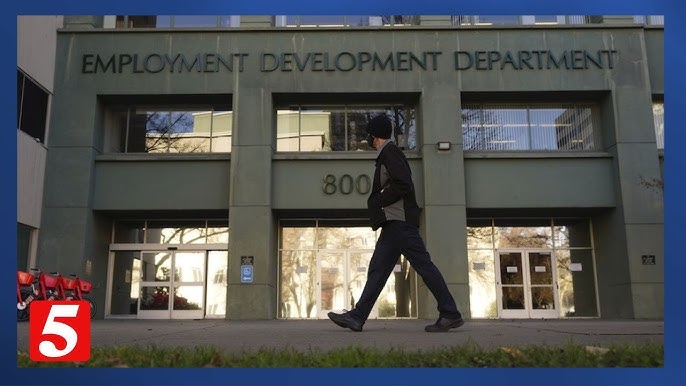
The U.S. economy added 64,000 jobs in November, surpassing economists’ expectations, but payrolls fell sharply in October with a loss of 105,000 positions, largely due to federal workforce reductions, according to delayed government data.
The unemployment rate climbed to 4.6% in November, its highest level since 2021. Economists had predicted about 40,000 new jobs for the month.
October’s losses were driven by a decline of 162,000 federal employees, many of whom left their positions at the end of fiscal year 2025 on Sept. 30 amid budget cuts and pressure to reduce government payrolls. In addition, revisions by the Labor Department removed 33,000 jobs from August and September totals.
Overall hiring has slowed noticeably as employers grapple with uncertainty surrounding President Donald Trump’s tariff policies and the lingering impact of elevated interest rates imposed by the Federal Reserve in 2022 and 2023 to curb inflation. Since March, average monthly job growth has dropped to about 35,000, down from 71,000 in the previous 12-month period.
Both the October and November employment reports were released late due to a 43-day federal government shutdown, complicating decision-making at the Federal Reserve. Policymakers remain divided on whether weakening labor conditions justify further interest rate cuts.
Concerns about employment helped prompt the Fed to reduce its benchmark rate by a quarter point last week, marking the third cut this year. However, the decision faced notable dissent, with some officials arguing inflation remains above the Fed’s 2% target, while another favored a larger cut. Analysts say the labor market is weakening gradually, but likely not fast enough to push the Fed toward another rate cut at its January 27–28 meeting.
Although still relatively low by historical standards, unemployment has risen steadily since hitting a 54-year low of 3.4% in April 2023. The labor force grew by 323,000 people in November, a rise some officials attribute to former federal workers actively seeking new jobs after buyouts and layoffs.
Federal Reserve Chair Jerome Powell recently noted that job gains may have been overstated by about 60,000 per month since spring, suggesting the labor market has cooled slightly more than previously believed.
Wage growth also showed signs of easing. Average hourly earnings increased just 0.1% in November, the smallest monthly gain since August 2023. Year over year, wages rose 3.5%, the slowest pace since May 2021.
Job growth remained uneven across sectors. Health care added more than 46,000 positions, accounting for most private-sector gains, while construction added 28,000 jobs. Manufacturing continued to decline, shedding 5,000 jobs for the seventh straight month.
Economists say employers are cautious—reluctant to hire aggressively but also hesitant to lay off workers. Meanwhile, labor demand has cooled faster than labor supply, contributing to the steady rise in unemployment. Automation and artificial intelligence are also weighing on hiring, particularly in logistics and transportation.
Many companies are holding onto current employees while delaying new hires as they assess how to integrate new technologies and respond to unpredictable trade and economic policies. This uncertainty has made the job search increasingly difficult for workers, leaving many unemployed for months and struggling to find stable opportunities.