
Mexican Graphene Gains Global Attention as Breakthrough Studies Highlight Energy Storage Potential
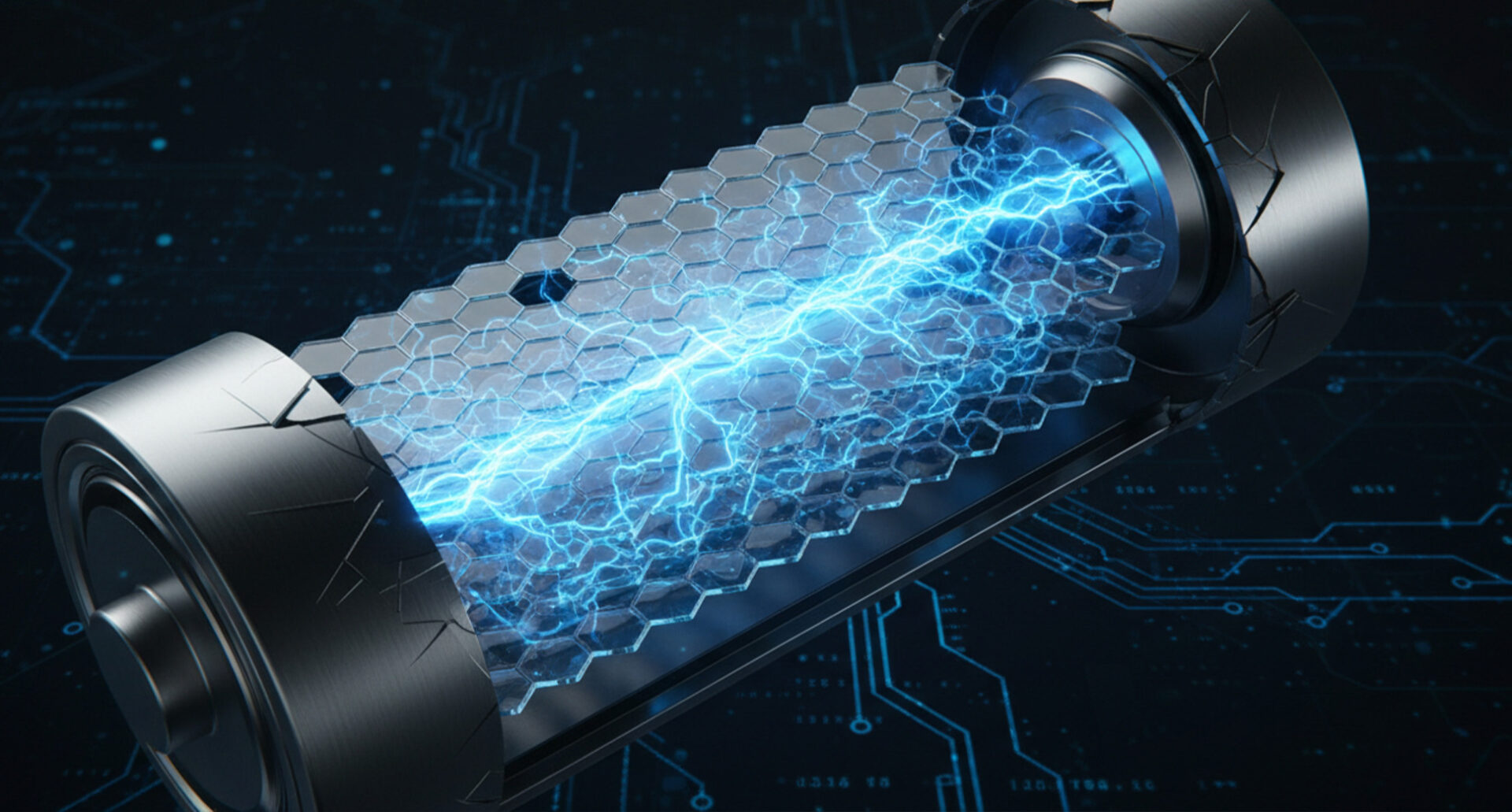
Emerging research from Mexico—and increasingly from international collaborations—is shedding new light on the potential of graphene to reshape the future of energy storage, with scientists pointing to significant gains in efficiency, durability, and industrial scalability.
Studies led by researchers at the Autonomous University of Chihuahua (UACH), in collaboration with institutions such as CIMAV, have examined the performance of graphene materials produced by Mexican firm Energeia – Graphenemex. The findings suggest that these materials could play a key role in next-generation batteries, supercapacitors, and advanced electronic devices.
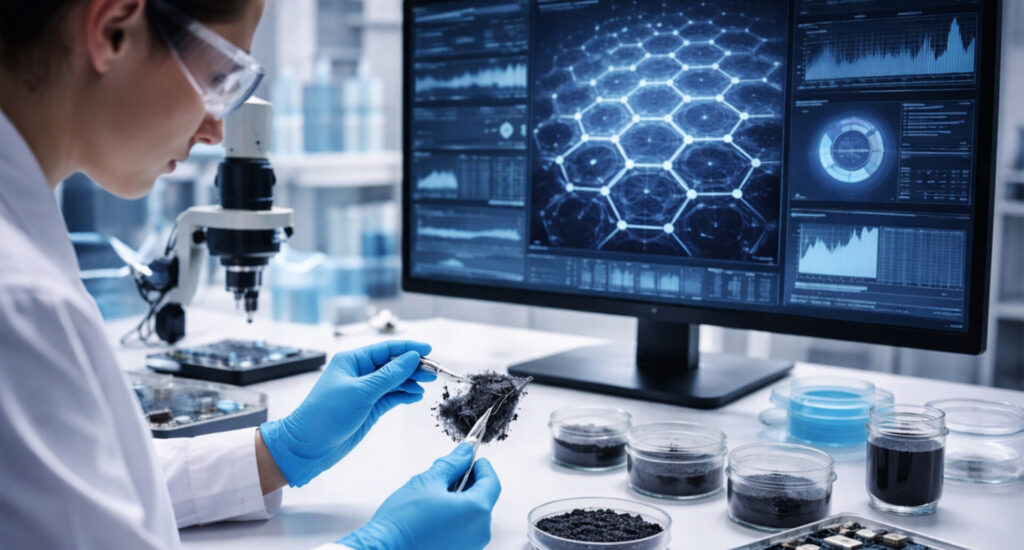

Since 2018, a research team headed by Dr. Claudia Georgina Nava-Dino has analyzed exfoliated graphene and graphene oxide in a variety of electrochemical systems. Across multiple studies, the materials demonstrated improved electrical conductivity, enhanced stability, and stronger overall performance in energy storage applications.
One of the most notable discoveries is graphene’s ability to maintain stability under demanding conditions, including repeated charge and discharge cycles and high-intensity industrial processes—an area where many conventional materials tend to degrade over time.
Researchers also found that graphene can be effectively combined with materials such as lithium titanate, commonly used in fast-charging batteries, to enhance electron transfer and reduce energy losses. Advanced analytical techniques further confirmed the material’s stable electrochemical behavior.
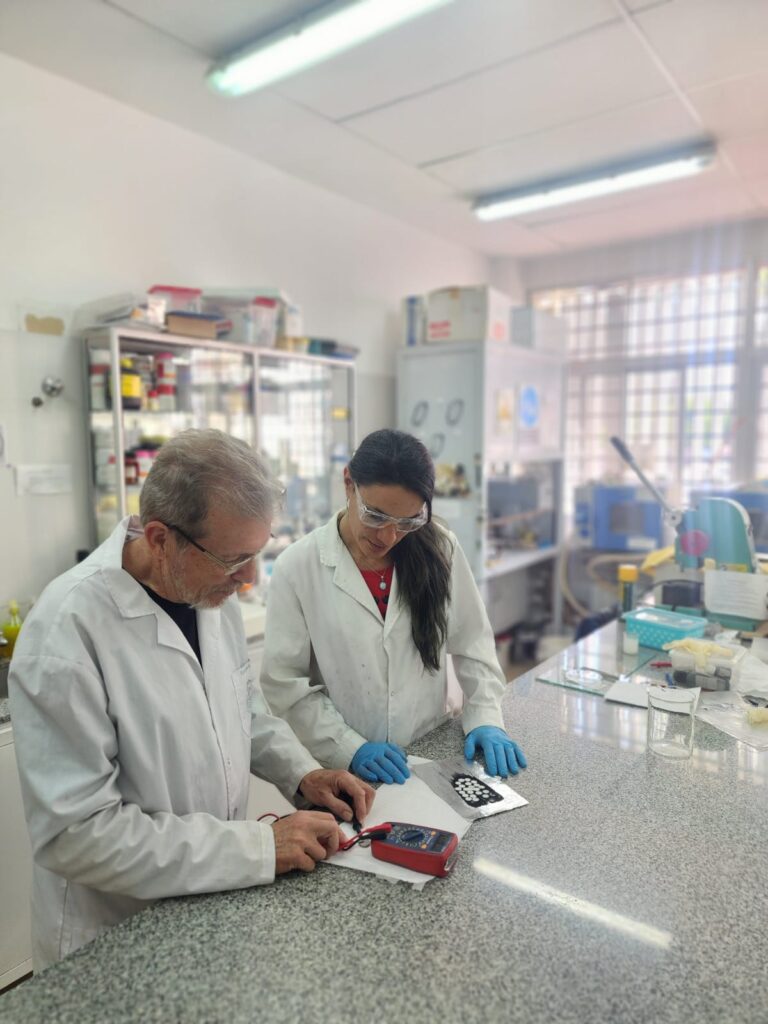
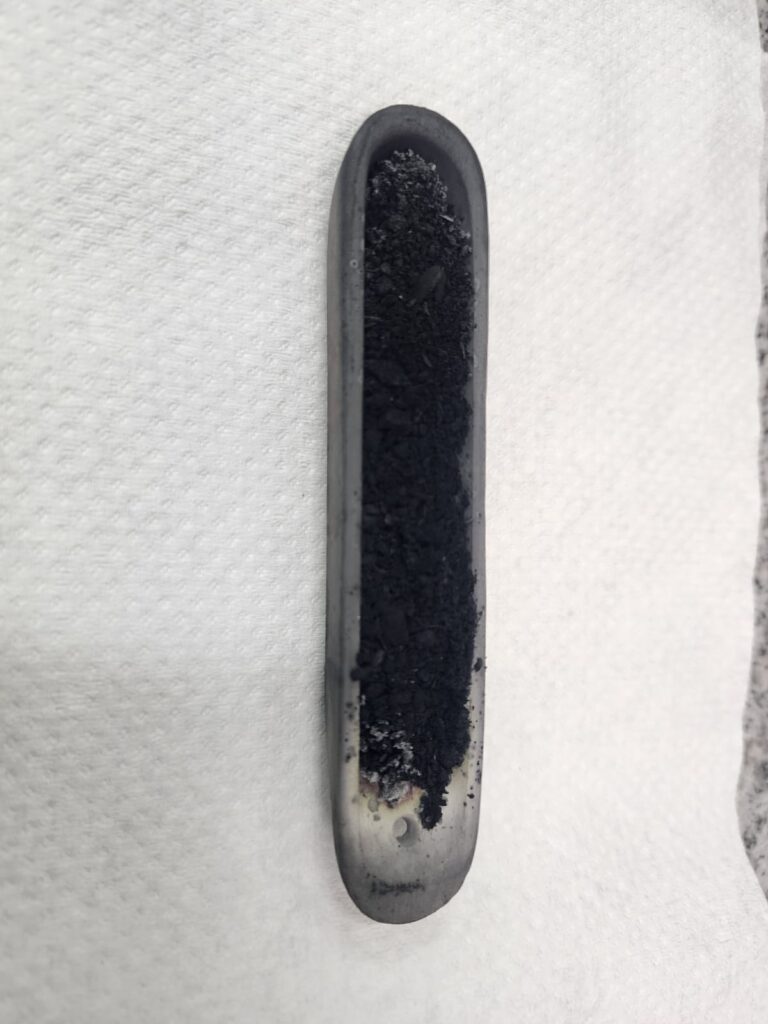
At the same time, international research is reinforcing these findings. A recent study published in Batteries & Supercaps, led by Dr. Victoria Bracamonte with a team of scientists from the National University of Córdoba in Argentina and Dr. Francisco García Soriano with a team from the National Institute of Chemistry in Slovenia, found that exfoliated graphene produced by Graphenemex significantly improved the performance of lithium-ion batteries. The material achieved a strong balance between electrical conductivity, structural stability, and rapid lithium-ion transport—key factors for high-performance energy storage.
The study reported capacities of up to 335 mAh g⁻¹ over 120 cycles and sustained performance under fast-charging conditions, highlighting its potential for applications in electric vehicles, consumer electronics, and large-scale energy systems.
More recent work presented at scientific conferences between 2023 and 2024 has also explored graphene’s use in metal alloys and advanced electrode systems, where it contributed to longer material lifespans and consistent performance. Its resistance to complex manufacturing processes further supports its viability for industrial-scale production.
Industry leaders say the convergence of national and international research marks a turning point.
“Graphene is no longer just a laboratory curiosity—it’s becoming a viable industrial solution,” said Amilcar Sala, Commercial Director at Graphenemex. “What’s especially important is that we’re now seeing validation from multiple fronts: from long-term research in Chihuahua to high-level international studies in Europe and Latin America. The consistency in results is what gives this real weight.”
Sala emphasized that these advances are the result of years of coordinated effort within the company. “This didn’t happen overnight. Teams led by experts like Dr. Dania Hernández, our Head of Department, and Eduardo Priego, our Managing Partner, have been working tirelessly to make these studies possible—building the scientific and industrial foundation needed for this level of research,” he said.

He also pointed to the broader vision behind the company’s development. “Graphenemex started as a dream—one driven by our founding partner, Antonio Miramontes. Years later, we’re seeing that vision materialize through real scientific progress and global collaboration. These studies are not isolated—they are the result of that long-term commitment.”
Amílcar Sala added that scalability and sustainability remain central to the company’s strategy. “Our materials are not only high-performing; they’re designed to be produced under green chemistry principles and to withstand real industrial conditions. That combination is critical if graphene is going to move from research into widespread application.”
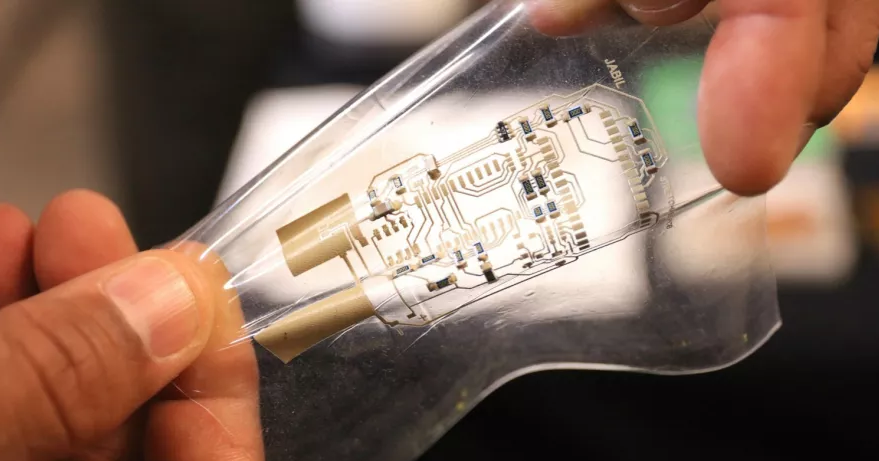
Experts believe these advancements could translate into longer-lasting batteries, faster charging technologies, more efficient electronic devices, and new possibilities in flexible electronics.
While further research is still needed before large-scale deployment becomes a reality, the growing body of evidence—both in Mexico and abroad—positions graphene as a crucial component in the transition toward more efficient and sustainable energy systems.