
Apple Reinvents Siri With AI Overhaul as Tim Cook Prepares to Step Down
Apple unveiled a major upgrade to its Siri voice assistant on Monday, introducing a new wave of artificial intelligence features designed to make the technology more practical, personalized, and privacy-focused—marking a pivotal moment as the company works to close the gap with its AI rivals.
The announcement came during Apple’s annual Worldwide Developers Conference (WWDC), where the revamped “Siri AI” took center stage. First launched in 2011, Siri has long lagged behind competing assistants, drawing criticism even from loyal Apple users. The latest iteration aims to change that by making the assistant more capable across devices and better integrated into everyday tasks.
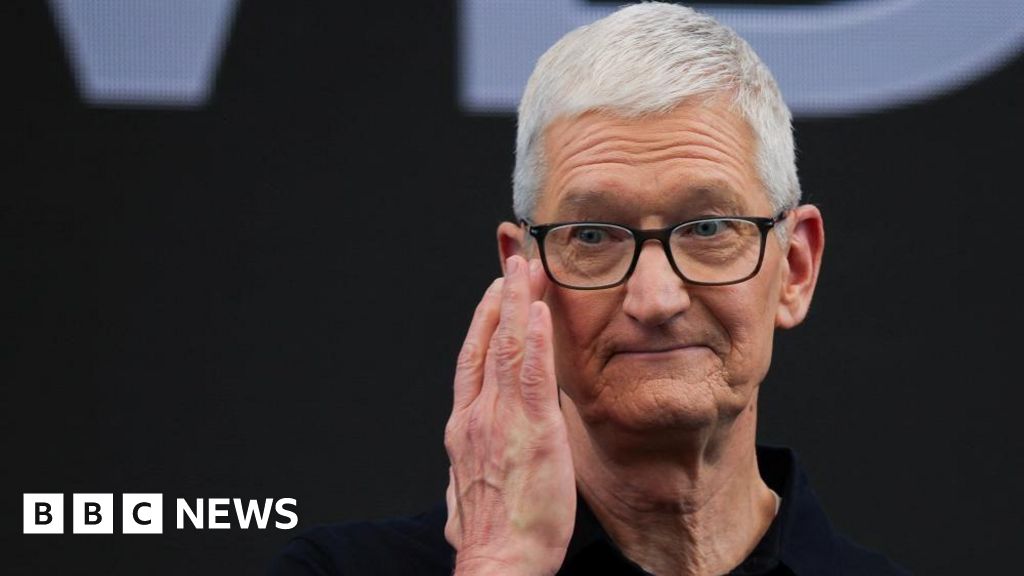
This year’s WWDC also carries added significance as it marks the final appearance of CEO Tim Cook before he hands leadership over to longtime Apple executive John Ternus in September. Cook received a standing ovation and reflected on his tenure, calling it “the honor of a lifetime” and expressing confidence in the company’s future.
Unlike competitors focused on futuristic AI concepts, Apple emphasized practical applications and user privacy. Software chief Craig Federighi highlighted the company’s philosophy of building AI that serves real needs, subtly criticizing rivals for developing technology without clear user benefits.
At the core of the update is a significantly enhanced Siri, now capable of performing more complex, cross-app tasks. For example, users can ask Siri to plan a themed event, such as a World Cup watch party, by compiling recipes from messages and the web, organizing details, and sending invitations—all seamlessly across Apple devices.
New visual intelligence features also allow Siri to interpret what users see through their camera or on their screen. It can analyze objects, provide contextual information, and even offer practical insights—such as whether a bag meets airline carry-on requirements or if certain items will fit inside it.
Apple also showcased upgrades to its AI-powered photo tools, including a spatial reframing feature that lets users adjust the composition of images after they’ve been taken, as though repositioning the camera in real time.
The updated system builds on Apple Intelligence, first introduced in 2024, and now incorporates Google’s Gemini AI model while maintaining Apple’s emphasis on on-device processing and secure cloud interactions to protect user data.
A standalone Siri AI app is expected to launch later this year, though availability will initially exclude Europe and China due to regulatory considerations.
The leadership transition comes at a critical juncture for Apple. The rapid rise of artificial intelligence represents the biggest shift in the tech industry since the debut of the iPhone in 2007. While Apple has faced challenges delivering on earlier AI promises, the company is now signaling a renewed push to compete in the space.
As Cook prepares to step down after 15 years—during which Apple’s market value surged by more than $4 trillion—the company is betting that a smarter, more intuitive Siri will help define its next chapter.
“I truly believe the best is still ahead,” Cook told attendees.