California Pushes for Transparency in Baby Formula as New Bill Targets Heavy Metal Disclosure
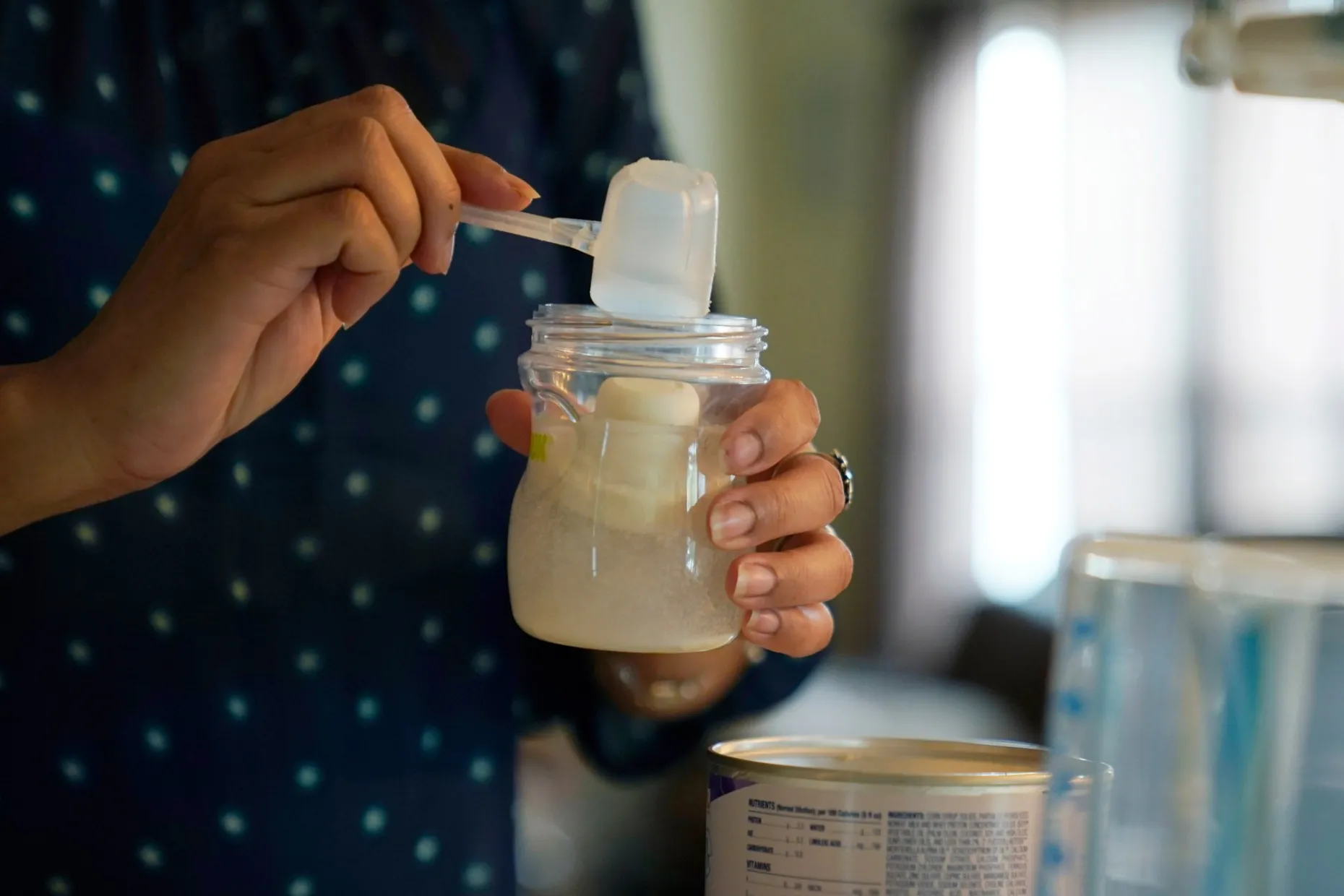
A growing push for transparency in infant nutrition is gaining traction in California, where lawmakers are advancing legislation that would require baby formula manufacturers to publicly disclose levels of toxic metals in their products.
Assemblymember Celeste Rodriguez introduced the bill after discovering gaps in existing regulations while pregnant with her second child. Although California already mandates testing for heavy metals in prenatal vitamins and baby food, infant formula has remained largely excluded.
Her proposal, Assembly Bill 2302, would require companies to report concentrations of arsenic, cadmium, lead, and mercury in every batch of formula sold in the state. The data would be made available online and accessible to consumers in stores via QR codes.
The legislation follows earlier legal actions by California Attorney General Rob Bonta, who reached settlements with major manufacturers over lead-related issues in formula products. Despite those cases, comprehensive disclosure requirements have not been implemented.
Supporters argue that the measure empowers parents with critical information. Advocacy groups like Children Now say accessible data allows families to make informed decisions about their children’s health.
The effort is part of a broader national movement with bipartisan backing to address toxic exposure in infant products. While federal agencies such as the FDA have begun testing formula for contaminants, they have yet to establish clear regulatory thresholds.
Rodriguez’s bill is also tied to a wider legislative package known as the “Moms Agenda,” which focuses on maternal and child health. Having recently given birth, the lawmaker says she is uniquely positioned to champion the issue.
However, the proposal faces strong opposition from industry groups like the Infant Nutrition Council of America (INCA), which represents major manufacturers including Abbott Nutrition, Perrigo, and Reckitt (Mead Johnson). These companies dominate more than 80% of the U.S. formula market.
Industry representatives argue that disclosure requirements could confuse or alarm parents, noting that trace amounts of heavy metals are present in many foods, including breast milk, and that formula is already subject to rigorous testing under international standards.
Critics of the industry stance counter that withholding information creates unnecessary stress for parents trying to choose the safest option. Many say that transparency would simplify—not complicate—decision-making.
Consumer Reports testing has added urgency to the debate, finding that a significant portion of formula products contain concerning levels of contaminants. Researchers link exposure to these elements with developmental and neurological risks in children.
While some states have attempted similar legislation, California’s decision could prove pivotal. Other states are closely watching the outcome, and a successful measure could trigger broader nationwide adoption.
If passed by the state Senate later this year, the bill would position California at the forefront of efforts to tighten oversight of infant formula safety—potentially reshaping industry standards across the country.
For Rodriguez and her supporters, the issue is simple: parents deserve full transparency about what they are feeding their children.